
Leave Your Message

China Top Retro Aviator Glasses Suppliers?

China has become a major sourcing destination for Retro Aviator Glasses, but choosing a supplier requires more than comparing online prices. Experienced buyers inspect frame balance, hinge movement, lens clarity, plating consistency, and packaging quality. A polished catalog is only a starting point. Samples reveal the truth.

Eyewear historian Neil Handley, author of Cult Eyewear, has said, “Eyewear is a reflection of the times in which we live.” His observation explains why aviator styles remain relevant. Their teardrop lenses, slim metal bridges, and warm gold finishes connect vintage character with modern fashion. However, suppliers must reproduce that character without creating uncomfortable or fragile products.

This guide examines China’s top Retro Aviator Glasses suppliers through practical sourcing criteria. It considers manufacturing experience, material options, customization services, quality control, communication, and export reliability. Buyers should ask about stainless steel or alloy composition, lens coatings, UV protection documentation, and hinge testing. These details matter during daily wear.

Some factories offer low minimum order quantities. Others provide stronger private-label support. The best choice depends on your market, budget, and expected volume. No shortlist is flawless. A supplier may deliver attractive prototypes but struggle with color consistency in larger production runs. That risk deserves attention.

The following overview helps brands compare suppliers more carefully. It also encourages direct sample testing, written specifications, and realistic delivery discussions. Good decisions rarely come from promises alone. They come from evidence.
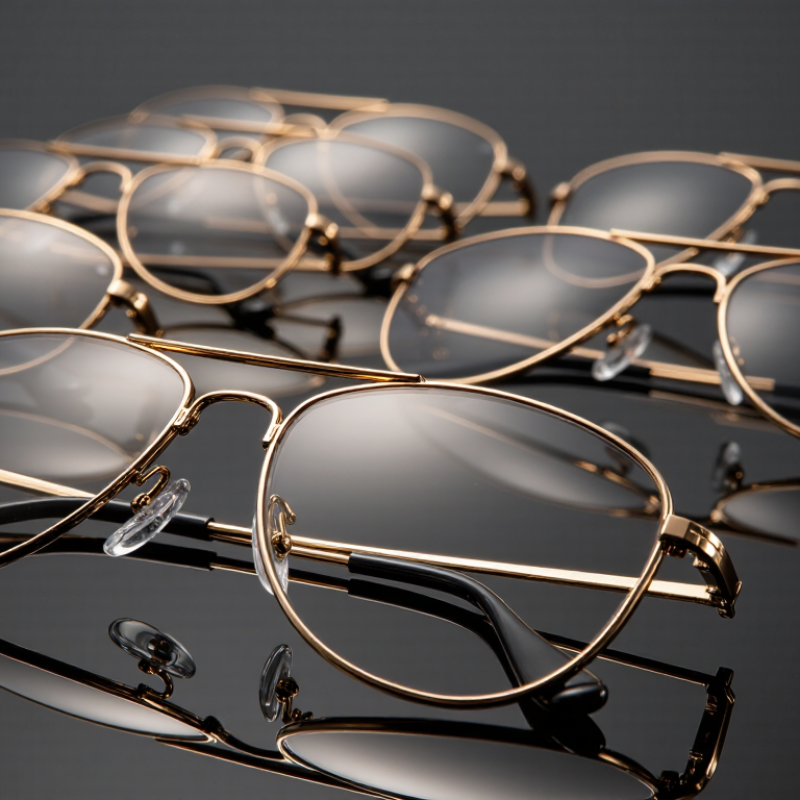
China Top Retro Aviator Glasses Suppliers?

Retro Aviator Glasses: Design Features, History, and Market Appeal

Retro Aviator Glasses: Design Features, History, and Market Appeal

Aviator glasses began as practical eyewear for pilots in the 1930s. Their large, teardrop-shaped lenses helped cover the eye, while a thin metal frame kept the design light. A double bridge and adjustable nose pads remain familiar details. Small changes matter: lens width, bridge fit, and temple length affect comfort as much as appearance. The silhouette feels classic, but it does not suit every face equally.

The style moved from functional equipment into everyday fashion, partly because its clean lines pair easily with casual and tailored clothing. Market figures suggest continued interest in sunglasses overall, though they do not measure aviators alone. Grand View Research estimated the global sunglasses market at USD 25.6 billion in 2022, forecasting 6.3% annual growth from 2023 to 2030. That broad demand supports a place for retro shapes, but buyers still compare fit, lens clarity, frame weight, and finish. A polished look can hide a poor fit.

Tips: When assessing suppliers, request clear measurements, material details, and sample images from several angles. Check hinge movement and nose-pad stability in person when possible. Tiny details count. A fashionable frame that slips or pinches may lose its appeal quickly.


Key Criteria for Evaluating Chinese Retro Aviator Glasses Suppliers

When evaluating Chinese retro aviator glasses suppliers, look beyond polished catalog photos. Ask for frame measurements, lens material, hinge type, and written tolerances. A sample should sit evenly on a flat surface, with both temples opening smoothly. Small misalignments matter. They may become obvious after repeated wear.

Request samples from the same production process planned for a larger order. Check lens clarity in daylight, edge finishing, plating consistency, and screw stability. Ask how defects are recorded and handled, rather than accepting a vague promise of inspection. Useful evidence includes dated inspection records and clear answers about material specifications.

Communication is also a practical test: can the supplier explain a delayed sample or clarify a measurement without changing the subject? I would compare response quality, not just speed.

One detail is easy to miss: packaging can protect frames in transit, but it cannot correct weak hinges or uneven finishing. A supplier may look convincing online and still need closer checking. That uncertainty is worth allowing for.

Leading Supplier Regions and Manufacturing Hubs in China

China’s retro aviator glasses supply chain is spread across several manufacturing hubs. Danyang in Jiangsu is widely associated with optical production, including lenses and related eyewear components. Wenzhou, especially Ouhai, has a strong concentration of frame makers and supporting workshops. Shenzhen and nearby Guangdong cities offer access to metalworking, finishing, packaging, and export services.

Each region can suit a different sourcing need. A buyer seeking thin metal frames may compare Wenzhou workshops for frame construction, hinge fit, and surface finishing. Danyang suppliers may be useful when coordinating lenses and frames, though capabilities vary by factory. Shenzhen-area vendors can help coordinate components and shipment preparation. These are tendencies, not guarantees. Details matter.

For a retro aviator style, request measurements for lens width, bridge, and temple length, plus clear photos of solder points and nose pads. Ask how the supplier checks plating consistency and hinge movement across a batch. Request a physical sample before approving bulk production; photographs can hide uneven finishes. Small differences show. Regional labels alone do not prove quality, and supplier directories may be outdated. I would verify the factory address, production role, and inspection process directly. Even then, samples may not match every production run, so written specifications are worth keeping.

China Top Retro Aviator Glasses Suppliers? — Leading Supplier Regions and Manufacturing Hubs in China
Manufacturing Hub Province / Municipality Commonly Associated Industry Strengths Relevance to Retro Aviator Glasses Practical Sourcing Checks
Shenzhen, including Henggang Guangdong Eyewear production and supply-chain services, with manufacturers serving domestic and export markets. A potential place to source metal-frame and sunglass styles, including aviator-inspired designs. Confirm each factory’s actual frame and lens capabilities. Ask whether production is in-house or subcontracted; verify sample quality, hinge construction, lens specifications, and export documentation.
Danyang Jiangsu A major eyewear industry cluster particularly associated with optical lenses, alongside eyewear-related manufacturing and supply. May be useful when lens options and prescription-lens compatibility are important to an aviator-style product. Confirm whether the supplier makes frames, lenses, or both. Request lens material, optical specifications, coatings, and applicable test reports.
Wenzhou Zhejiang An established eyewear manufacturing area with eyewear-related production and supplier networks. Worth including in a search for frame makers and OEM/ODM suppliers; ask specifically about metal-frame experience and aviator tooling. Check frame-material declarations, plating or coating details, dimensional tolerances, minimum order quantities, and sample consistency.

Regional descriptions indicate broad industry associations, not a guarantee that any individual supplier offers a particular product or process. Verify factory capabilities, product compliance, and quality-control arrangements directly before ordering.

Product Quality, Materials, Customization, and Compliance Standards

China Top Retro Aviator Glasses Suppliers?

When evaluating Chinese suppliers, product quality should begin with a physical sample. Check whether the bridge feels stable and the hinges open smoothly. Good aviator frames commonly use stainless steel, titanium, or carefully finished alloy. Lens options may include polycarbonate, CR-39, or mineral glass. Ask for UV protection test reports, not only printed UV400 claims. Small details matter. Uneven plating, sharp edges, and loose nose pads often appear after repeated use.

Customization should be discussed with precise specifications. Suppliers can usually adjust lens tint, frame color, temple length, logo placement, packaging, and protective coatings. Request a signed sample before mass production. Confirm color references, engraving depth, carton strength, and acceptable defect limits. A common mistake is approving a digital drawing too quickly. It may not show the real reflection or weight.

Compliance documents help separate reliable manufacturers from uncertain sellers. Request material declarations and laboratory reports relevant to the destination market. Depending on sales locations, checks may involve EN ISO 12312-1, ANSI Z80.3, REACH, or CPSIA requirements. Testing should cover UV transmission, impact resistance, nickel release, and restricted substances. Verify the laboratory’s accreditation and report dates. Supplier audits, production photos, and pre-shipment inspections add practical evidence. Still, paperwork can be incomplete. Independent testing remains worthwhile for large orders.

How to Select the Right Chinese Retro Aviator Glasses Supplier

Choosing a Chinese retro aviator glasses supplier takes more than comparing unit prices. Check whether the supplier can explain frame materials, lens options, surface finishes, and production steps clearly. Details matter. Ask for a sample with the exact bridge width, lens size, and temple length you plan to order. Then inspect the hinges, nose pads, and coating in daylight. A warm gold finish may look different under warehouse lighting.

Request a written specification sheet and confirm how the supplier checks dimensions, appearance, and packaging before shipment. Ask what happens if a production batch differs from the approved sample. Clear answers are useful; vague promises are not. You can also request recent production photos and verify the company’s business details through appropriate records. A polished sample can still hide inconsistent quality across a larger order. That risk is easy to underestimate. Compare lead times, minimum order quantities, sample fees, and payment terms in writing, not just in chat messages. If a detail remains unclear, ask again before approving production. The right supplier is not always the one with the lowest quote, but one whose process you can verify.