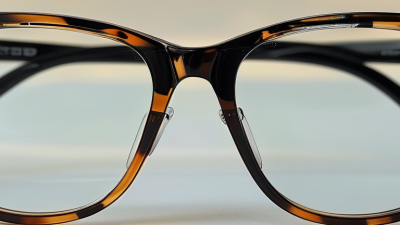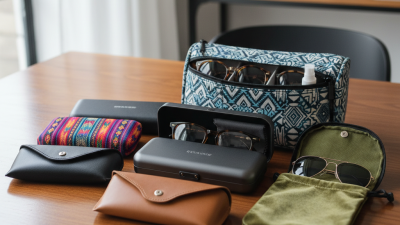
Choosing the best Reading Glasses Lanyard in 2026 involves more than matching colors with your frames. It should keep your glasses secure, comfortable, and ready when small print appears. A useful principle from optometrist and vision researcher Dr. Mark Rosenfield is: “Comfort and fit are essential parts of usable vision.” That idea matters during long reading sessions.
Begin with the frame itself. Measure the temple width before buying. A lanyard that hangs too loosely may let your glasses swing against a desk or shirt button. One that grips too tightly can pull behind your ears. Soft silicone ends usually provide steady contact, while cotton or braided fabric may feel lighter against the neck. Check the clasp, too. Small metal loops can loosen after repeated use. Spring-loaded connectors often feel more secure.
Your daily routine should guide the choice. Office workers may prefer a slim, professional Reading Glasses Lanyard that stays flat under a collar. Gardeners, travelers, and active readers may need stronger cords, adjustable sliders, and water-resistant materials. Bright colors can improve visibility on a crowded table. Subtle colors may suit formal clothing better.
No option is perfect. Some stylish cords become uncomfortable in warm weather. Some durable designs feel heavier than expected. Reflect before purchasing. Will you wear it for ten minutes or several hours? Read customer feedback carefully, especially comments about weight, skin contact, and connector strength. The best choice is practical, comfortable, and easy to maintain. Clean it regularly, inspect worn parts, and replace it when the fittings begin to slip.
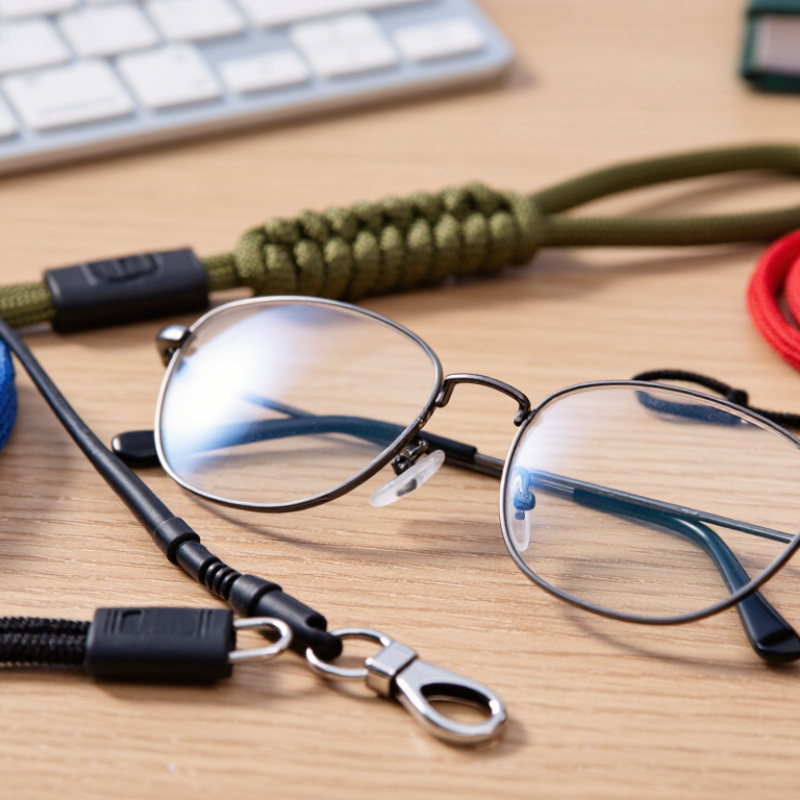
Reading glasses lanyards are more than decorative cords. They connect your glasses to your daily routines.
The World Health Organization’s World Report on Vision estimates that at least 2.2 billion people have near or distance vision impairment worldwide. The Lancet Global Health Commission also reported that about 1.1 billion people experience near-vision impairment, largely from uncorrected presbyopia. These figures explain why simple access matters.
A lanyard keeps reading glasses close during shopping, cooking, paperwork, or phone use. It reduces the habit of placing glasses on a counter and forgetting them.
For practical use, check the cord’s weight, adjustable length, and grip strength. Soft silicone ends can hold frames securely without marking them. A lightweight design feels better around the neck for long periods.
I once preferred a thick cord because it looked stronger. It became uncomfortable after an hour. My assumption was wrong.
Choose a length that lets the glasses rest near your chest, not swing against your keys. Look for smooth materials if your skin reacts easily. A detachable connector helps when cleaning the frames.
However, a lanyard cannot correct an unsuitable prescription or replace an eye examination. The WHO notes that at least 1 billion cases of vision impairment could have been prevented or remain unaddressed. That warning deserves attention. Convenience helps, but proper vision care still comes first.
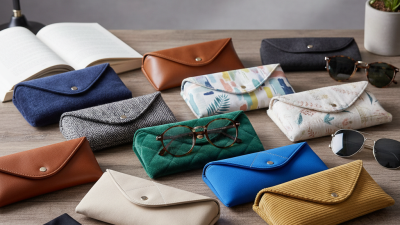
How to Choose the Best Reading Glasses Lanyard in 2026?
A reading glasses lanyard should match your daily routine, not merely your frame color. The World Health Organization estimates that at least 2.2 billion people have vision impairment worldwide, with aging remaining a major factor. The Vision Council’s Consumer inSights research also reports that roughly three-quarters of U.S. adults use vision correction. That makes comfort and reliable access practical concerns, not small accessories.
Material changes the wearing experience. Cotton feels soft against the neck and suits short indoor use, while nylon resists moisture during travel or outdoor work. Silicone offers stronger grip, but it can pull hair or feel warm. Length matters too. A 60-centimeter lanyard keeps glasses near the chest. A longer cord gives easier movement, but may swing against clothing. Attachment styles deserve equal attention. Adjustable silicone loops fit different temple shapes. Slide-through ends can work well, though loose fittings may let frames fall. I once chose a cord that looked elegant but twisted constantly. Appearance was not enough.
Tips: Test the lanyard while bending, turning, and removing your glasses. Choose soft end loops with firm adjustment. Avoid excessive length near machinery or crowded spaces. Check the cord weekly for fraying. No lanyard lasts forever.
| Option | Typical Specifications | Comfort | Durability | Water and Sweat Resistance | Advantages | Limitations | Best For |
|---|---|---|---|---|---|---|---|
| Cotton or Textile Cord | Usually 60–75 cm long; soft woven cord with lightweight end loops | ★★★★★ | ★★★☆☆ | ★★☆☆☆ | Soft against the neck, lightweight, quiet, and available in many colors and patterns | Can absorb moisture, attract lint, and become worn after repeated washing or friction | Indoor reading, office use, and users who prioritize softness |
| Nylon or Polyester Cord | Usually 60–75 cm long; braided or smooth synthetic fibers | ★★★★☆ | ★★★★☆ | ★★★★☆ | Low moisture absorption, good tensile strength, quick drying, and easy cleaning | May feel less soft than cotton and can slide slightly on smooth clothing | Daily wear, commuting, travel, and active routines |
| Silicone or Silicone-Coated Cord | Usually 65–75 cm long; flexible, smooth, and often slightly grippy | ★★★★☆ | ★★★★☆ | ★★★★★ | Resists water and sweat, wipes clean easily, and helps reduce slipping | Can feel warm around the neck and may become tacky when exposed to dust or oils | Outdoor use, humid climates, exercise, and frequent cleaning |
| Leather or Faux-Leather Strap | Usually 60–75 cm long; flat or rounded strap with metal or polymer fittings | ★★★★☆ | ★★★★☆ | ★★★☆☆ | Structured appearance, good visual appeal, and a substantial feel | Natural leather can absorb moisture and needs care; faux leather may crack over time | Business wear, dress glasses, and style-focused users |
| Beaded Cord or Chain | Commonly 65–80 cm long; decorative beads or linked metal sections | ★★★☆☆ | ★★★☆☆ | ★★★☆☆ | Distinctive appearance and can complement jewelry or accessories | Heavier than textile cords, may catch on clothing, and can make noise during movement | Occasional wear and users who value decorative design |
| Short Neck Strap | Approximately 35–50 cm long; keeps glasses close to the upper chest | ★★★★☆ | ★★★★☆ | Depends on material | Reduces swinging, stays relatively close to the face, and works well with smaller frames | May feel restrictive and may not fit comfortably over bulky clothing | Desk work, frequent lens changes, and controlled indoor movement |
| Standard Length Strap | Approximately 60–75 cm long; the most common general-purpose length | ★★★★★ | ★★★★☆ | Depends on material | Balances freedom of movement, accessibility, and comfort for most adults | May swing during brisk walking if the cord is smooth or too lightweight | Most reading glasses, everyday use, and mixed indoor and outdoor activities |
| Long Strap | Approximately 75–90 cm long; often adjustable with a slider | ★★★☆☆ | ★★★★☆ | Depends on material | Provides extra reach and can be worn comfortably over thicker clothing | More likely to swing, snag, or move behind the neck during active use | Layered clothing, larger frames, and users who prefer a lower hanging position |
| Silicone End Loops | Stretchable loops that slide over the eyeglass temples; often include an adjustable bead | ★★★★★ | ★★★★☆ | ★★★★★ | Good grip, tool-free installation, and compatibility with many standard temple shapes | Very thin or unusually thick temples may require a different loop size | Everyday reading glasses and users who want a secure, comfortable attachment |
| Rubber or Elastic Temple Grips | Flexible sleeves or elastic loops that hold the temples by friction | ★★★★☆ | ★★★☆☆ | ★★★★☆ | Lightweight, affordable, and generally secure during normal movement | Elasticity can decrease with age, heat, oils, and repeated stretching | Light frames and users who replace accessories periodically |
| Spring-Loaded or Clip Attachments | Small clips or clamps attached to the eyeglass temples | ★★★☆☆ | ★★★★☆ | ★★★☆☆ | Firm attachment and useful for temples that do not hold ordinary loops well | Can add weight, press against the temples, or scratch delicate frame finishes if poorly protected | Glasses with unusual temple shapes or users needing extra retention |
| Magnetic Connector | Two-part connector that separates under a deliberate pull and reconnects magnetically | ★★★★☆ | ★★★☆☆ | Depends on construction | Easy to put on and remove without taking the entire lanyard over the head | The connector may separate during a strong pull and should be kept away from devices sensitive to magnets | Users who frequently remove their glasses or prefer quick-release handling |
How to Choose the Best Reading Glasses Lanyard in 2026?
Choosing the Right Lanyard for Comfort, Security, and Daily Activities
A good reading glasses lanyard should feel almost invisible during daily use. In my experience, soft cotton or smooth silicone rests better against the neck than rough synthetic cord. Check the total weight, especially if you wear glasses for several hours. Heavy ends can pull your frames forward and leave pressure marks behind your ears. Not every stylish lanyard is comfortable.
Choose a length that keeps your glasses near your chest without touching your desk or drink. Adjustable sliders help when you move between reading, walking, and cooking. For active routines, use secure silicone loops and a reliable clasp. Inspect both parts regularly. A loose connection can send your glasses onto the floor. I once ignored a slightly stretched loop, and the glasses fell during a supermarket trip. That small mistake changed how often I check my accessories.
Tips: Match the lanyard to your routine. Use a lightweight design for office reading. Choose a sweat-resistant material for outdoor work. Look for soft, flexible ends that fit your frame securely. Test the fit by bending, turning, and looking down. If the cord pulls, adjust it or try another style. Clean it gently after heavy use. Skin comfort matters, but I sometimes overlook it when judging appearance. That is worth reconsidering.
Feature priorities by daily activity, rated on a practical 1–5 scale
Higher scores indicate greater importance for that activity. Lightweight comfort is prioritized for extended reading, secure retention for walking and commuting, and adjustability for activities that involve frequent movement. Use these priorities as a practical guide when comparing lanyard materials, clasps, adjusters, and cord lengths.
How to Choose the Best Reading Glasses Lanyard in 2026?
Checking Compatibility with Different Reading Glasses Frames
The right lanyard must fit the frame, not just the wearer. WHO’s 2023 vision report estimates that at least 2.2 billion people have near or distance vision impairment. It also identifies over 1 billion cases as preventable or still unaddressed. That scale makes everyday eyewear safety more important than it seems. A lanyard should hold glasses securely without pulling the frame out of alignment.
Check the temple arms first. Full-rim frames usually accept silicone loops or adjustable rubber ends. Rimless frames can be more delicate, especially around drilled lens mounts. Semi-rimless frames may need soft loops with a wider contact surface. Curved or thick temples can reject narrow connectors. They may slip during walking. Spring hinges also need clearance, or the lanyard may restrict movement. ISO 12870:2016 covers mechanical requirements for spectacle frames, but it does not guarantee that every accessory will fit every design.
Measure before buying. The lanyard’s loop should sit behind the temple tip, not across the hinge. Pull gently and inspect the lenses for pressure marks. A quick rule can fail. Heavy cords may drag lightweight frames, while very thin cords can twist around the neck. Bead adjusters improve fit, but they can loosen with repeated handling. Look for soft contact points, corrosion-resistant hardware, and a length that keeps the glasses near the chest without touching clothing buttons. My own preference would be comfort over maximum tension, though that choice still deserves testing with the exact frame.
A reliable reading glasses lanyard should survive daily movement, sweat, and repeated handling. Check the cord closely. Braided nylon resists fraying, while silicone feels softer against the neck. Metal fittings should feel firm, not sharp or loose. Examine the connection points, because weak loops often fail before the cord does. A washable design is useful, especially after outdoor use. Follow the care instructions carefully. Some materials may stretch after hot-water washing.
Style matters, but comfort should lead the decision. Lightweight cords reduce pressure behind the ears during long reading sessions. Adjustable sliders can improve fit, although poorly made sliders may loosen unexpectedly. Neutral colors suit office clothing, while brighter patterns help locate glasses on a crowded desk. That small convenience has real value. Still, appearance can distract from quality. I have sometimes preferred a plainer design after discovering that decorative parts caught on clothing.
Tips: Test the clasp gently before buying. Choose soft, secure end loops. Check whether they fit your glasses. Compare warranty terms and replacement costs. A cheaper lanyard may become expensive after several replacements. Look for clear material details and realistic care guidance. Independent customer feedback can reveal problems that product photos hide. No option is perfect. Personal comfort remains the final test.