In the field of eye care, the importance of specialized tools cannot be overstated. Optometry equipment serves as the backbone of comprehensive eye examinations, enabling professionals to provide accurate diagnoses and effective treatments. From traditional devices like phoropters and trial frames to modern innovations such as digital retinal cameras, each piece of equipment plays a crucial role in assessing and maintaining eye health.
Understanding the variety of optometry equipment available is essential for both practitioners and patients. These tools not only facilitate the detection of common vision problems but also assist in identifying more serious conditions that could affect overall health. As technology advances, the field of optometry continues to evolve, incorporating cutting-edge devices that enhance the precision and efficiency of eye care.
Moreover, the proper use and maintenance of optometry equipment are vital in delivering high-quality care. Eye care professionals must be equipped not only with the latest tools but also with the knowledge and skills to use them effectively. This ensures that patients receive thorough eye examinations and appropriate recommendations for their vision needs. In summary, optometry equipment forms the foundation of eye care practices, underscoring the significance of quality tools in supporting optimal eye health.
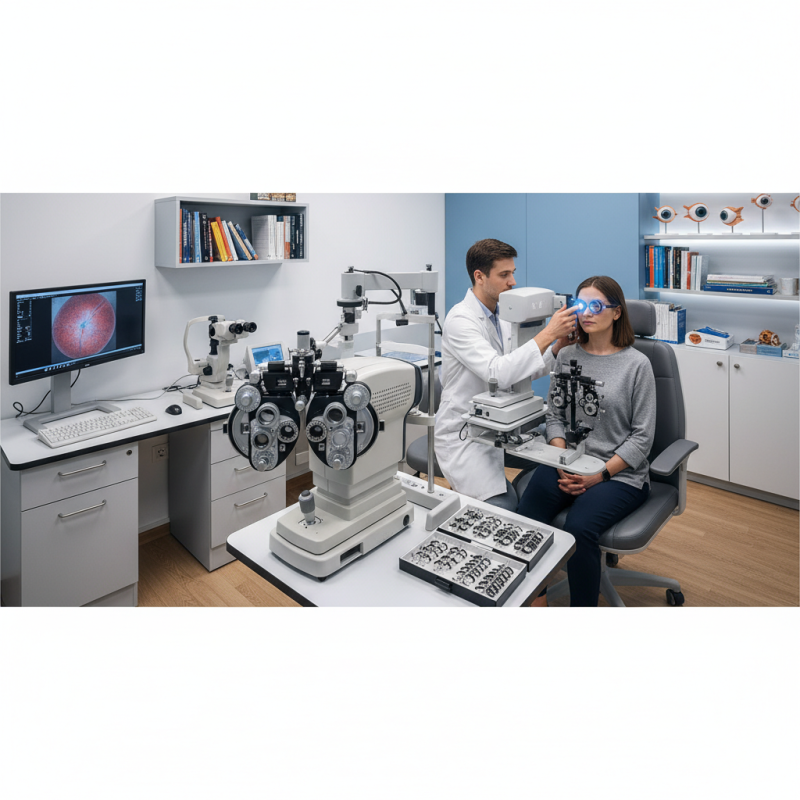
Optometry equipment is essential for eye care professionals, serving as the backbone of comprehensive eye examinations and vision care. Among the fundamental tools, the phoropter stands out, allowing practitioners to determine a patient’s prescription accurately. This device offers various lenses that can be rotated into place, enabling the optometrist to assess visual acuity and refine prescriptions based on patient feedback. Other critical equipment includes the autorefractor, a machine that quickly measures how light is altered as it enters the eye, making it easier to identify refractive errors.
Additionally, slit lamps play a vital role in examining the anterior segment of the eye, providing a magnified and illuminated view that helps in the diagnosis of various ocular conditions. This device allows eye care professionals to assess the eyes' health and detect issues such as cataracts or corneal abrasions. Tonometry is another crucial procedure in optometry, allowing practitioners to measure intraocular pressure and screen for glaucoma. Collectively, these tools ensure that eye care professionals can deliver accurate diagnoses and effective treatment plans, making them indispensable in the realm of vision health.
| Tool Name | Purpose | Usage |
|---|---|---|
| Phoropter | Determines prescription for glasses | Used during refraction tests |
| Tonometer | Measures intraocular pressure | Essential for glaucoma assessments |
| Ophthalmoscope | Examines the interior of the eye | Used for detecting retinal issues |
| Visual Field Tester | Assesses peripheral vision | Important for diagnosing neurological conditions |
| Slit Lamp | Provides a magnified view of eye structures | Used for detailed eye examinations |
| Retinoscope | Determines refractive errors | Used in children's exams and for those who cannot communicate |
| Lensometer | Measures lens prescriptions | Used for verifying or duplicating prescriptions |

Optometry equipment is essential for eye care professionals, as it encompasses a wide range of diagnostic and treatment tools. Among the primary diagnostic instruments are phoropters and autorefactors, which aid in determining a patient’s refractive error and prescribe the appropriate corrective lenses.
Slit lamps, another critical tool, allow optometrists to examine the anterior segment of the eye in detail, enabling the identification of conditions like cataracts and corneal issues. Additionally, tonometers are employed to measure intraocular pressure, which is vital for the early detection of glaucoma.
In terms of treatment equipment, optometrists often utilize tools such as vision therapy devices and contact lens applicators. Vision therapy equipment includes specialized instruments designed to improve visual skills and coordination, particularly for patients with amblyopia or other visual disorders.
Moreover, retinal cameras and optical coherence tomography (OCT) machines have become increasingly important in diagnosing and monitoring retinal diseases, providing high-resolution images that help optometrists formulate effective treatment plans.
The combination of these diagnostic and treatment tools enables eye care professionals to deliver comprehensive eye health services, ensuring patients receive optimal care for their visual needs.
In the field of optometry, various instruments play a crucial role in conducting thorough eye examinations. One of the primary tools used is the phoropter, which allows eye care professionals to assess a patient's refractive error. By manipulating different lenses, practitioners can determine the precise prescription needed for corrective eyewear. This assessment of visual acuity is essential for diagnosing conditions such as myopia, hyperopia, and astigmatism.
Another key instrument in the optometric toolkit is the tonometer, used to measure intraocular pressure. This measurement is vital for detecting and monitoring glaucoma, a condition that can lead to irreversible vision loss if left untreated. The tonometer provides objective data that enables optometrists to evaluate eye health comprehensively.
Additionally, tools like the retinal camera and slit lamp facilitate detailed examinations of the eye's internal structures, allowing for early detection of various eye diseases, such as diabetic retinopathy and cataracts. These instruments, collectively, form the backbone of effective eye care, ensuring practitioners can provide accurate diagnoses and appropriate treatment plans for their patients.
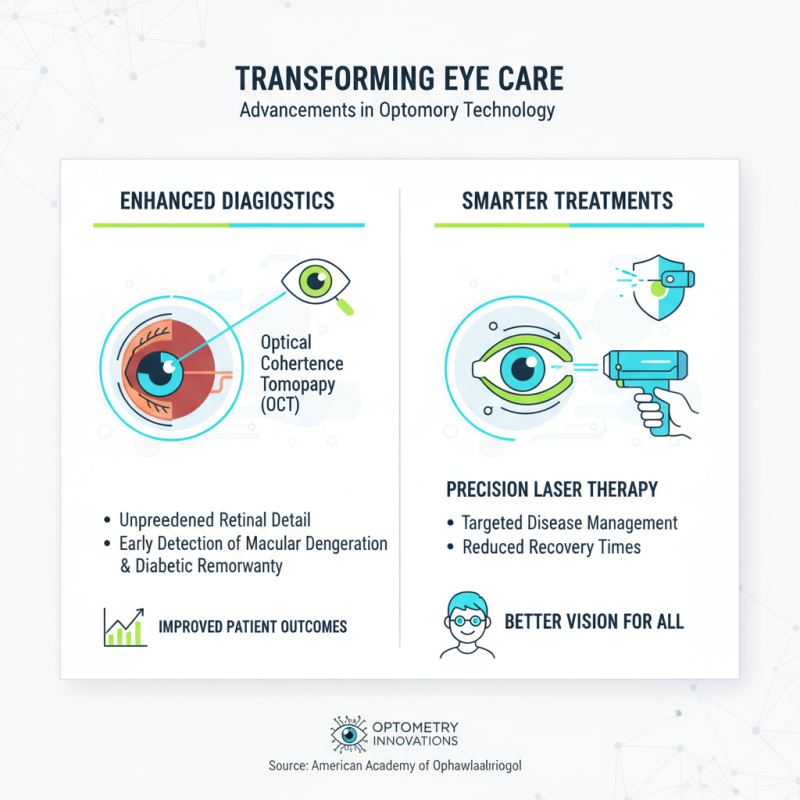
Recent advancements in optometry technology are transforming the landscape of eye care, enhancing both the accuracy of diagnoses and the effectiveness of treatment options. New diagnostic tools equipped with advanced imaging techniques, such as Optical Coherence Tomography (OCT), allow practitioners to visualize the retinal structure in unprecedented detail. According to the American Academy of Ophthalmology, OCT technology has shown a significant increase in the early detection of conditions like macular degeneration and diabetic retinopathy, improving patient outcomes substantially.
Moreover, tele-optometry is gaining traction, particularly post-COVID-19, as practitioners and patients seek convenient and safe ways to interact. A report from the Vision Council indicates that telehealth services in optometry saw a 50% increase in utilization during the pandemic. This shift not only broadens access to eye care but also allows for more integrated healthcare solutions, as optometrists can easily collaborate with other healthcare providers remotely. Emerging technologies, including artificial intelligence and data analytics, are also poised to play a crucial role in predictive analysis for eye health, further enabling professionals to personalize patient treatments and streamline their practices.
As the field of optometry continues to evolve with these technological advancements, eye care professionals are better equipped to address a range of visual health issues, ensuring that patients receive timely and efficient care. The integration of such innovative tools reflects a commitment to improving eye care standards and reinforces the critical role of optometrists in maintaining public health.
Proper maintenance of optometry equipment is crucial for ensuring accurate diagnoses and effective treatments in eye care practices. Regular maintenance helps prolong the lifespan of instruments like phoropters, slit lamps, and retinal cameras, reducing the risk of costly repairs or replacements. When equipment is well-maintained, it operates reliably, leading to consistent and precise results. This reliability not only boosts the confidence of eye care professionals but also enhances patient satisfaction, as timely and accurate diagnoses are fundamental for successful outcomes.
Moreover, maintaining optometry equipment promotes patient safety. Outdated or poorly functioning devices can lead to misdiagnoses, which might compromise patient care. Routine calibration and servicing of instruments help to identify any potential issues before they escalate. By adhering to a structured maintenance schedule, eye care facilities can ensure that their tools are in optimal working condition, ultimately safeguarding the health and well-being of their patients.
Employees should also receive training on proper use and cleanliness procedures to avoid unnecessary wear and tear, fostering a culture of responsibility towards the equipment used in eye care.