What is a Lens Cleaning Kit and How to Choose the Best One?
A Lens Cleaning Kit is essential for anyone who values their optics. This compact set helps maintain the quality of lenses in cameras, binoculars, and glasses. According to industry reports, 78% of users notice image degradation due to smudges or dust on their lenses. Regular cleaning can extend the life of optical equipment significantly.
When choosing a Lens Cleaning Kit, consider factors like materials and ease of use. Many kits include microfiber cloths, solution sprays, and brushes. Experts recommend using gentle, non-abrasive products to avoid damaging coatings. Yet, not all kits are created equal. Some offer inadequate materials, leading to scratches that degrade lens quality.
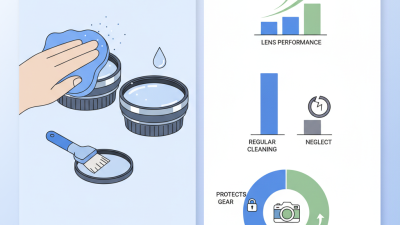
Investing in a good Lens Cleaning Kit can improve viewing experiences. A clear lens can enhance image quality tremendously. However, users often overlook the importance of proper cleaning techniques. Routine maintenance can prevent costly repairs and replacements, ensuring optimal performance. Taking the time to choose wisely will make a difference in everyday use.
What is a Lens Cleaning Kit: Definition and Purpose
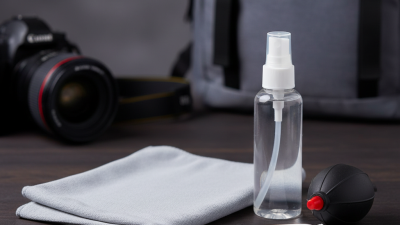
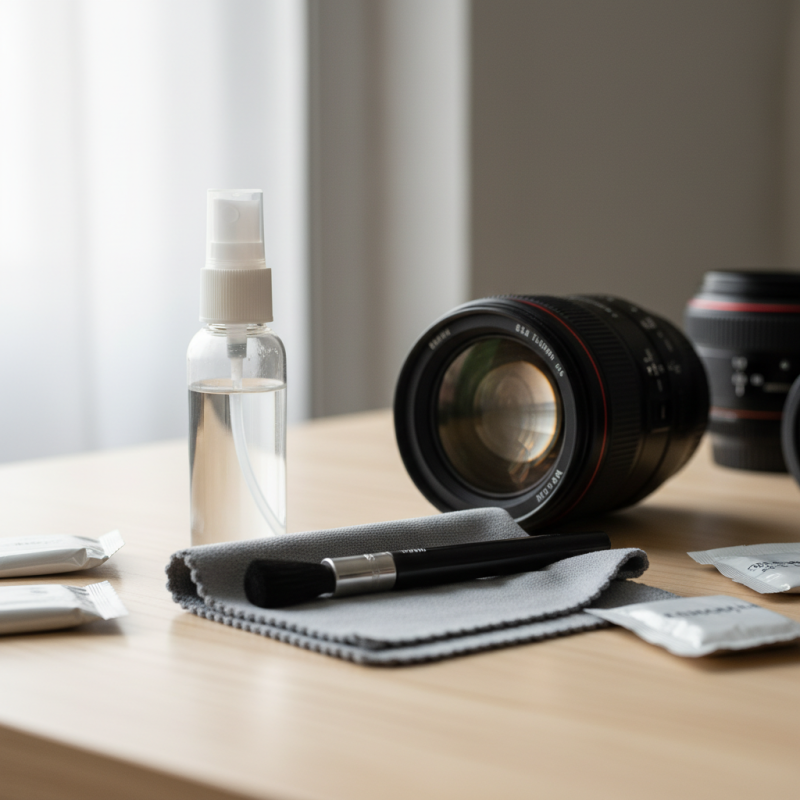
A lens cleaning kit is essential for anyone handling delicate optical equipment. With frequent use, lenses gather dust, fingerprints, and smudges, impairing clarity. These kits typically include microfiber cloths, lens solution, and brushes designed for safe cleaning. According to industry reports, maintaining clean optics can enhance image quality by up to 30%.
Choosing the right cleaning kit is crucial. Microfiber cloths are popular for their softness and effectiveness. Solutions should be ammonia-free to prevent damage. A quality kit ensures that lenses are cleaned thoroughly without scratching or leaving residues. However, many users overlook proper maintenance of these tools. Failing to wash microfiber cloths regularly can introduce dirt during cleaning.
Cleaning kits vary in quality and design. Some might have extra features, such as anti-static properties or additional tools. However, more accessories do not always mean better performance. Users should assess their individual needs over marketing promises. Taking time to understand available products is vital for optimal lens care.
Essential Components of a Lens Cleaning Kit
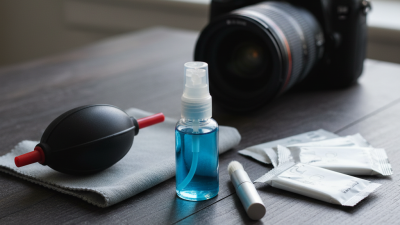
A lens cleaning kit is essential for anyone with cameras or optical devices. It typically includes several key components designed for effective cleaning. One main item is the microfiber cloth. This cloth is soft and non-abrasive, perfect for removing dust and smudges without scratching the lens. A quality cloth can be used multiple times and washed for longevity.
Another vital component is a lens brush. This brush helps to gently remove dust particles. It’s important to use a brush made specifically for optics to avoid damaging your lenses. Some kits also come with cleaning solution. Ensure the solution is safe for your specific lens type. Using the wrong cleaner can lead to irreversible damage.
Additionally, many kits include lens wipes. These are pre-moistened and offer convenience on the go. However, some users prefer reusable options for environmental reasons. Balancing convenience and sustainability is crucial. Each component has its importance, and understanding how to use them can enhance your lens maintenance routine. Consider personal needs and usage when choosing the right kit. It’s about finding a balance between effective cleaning and taking care of your lenses.
Essential Components of a Lens Cleaning Kit
Factors to Consider When Choosing a Lens Cleaning Kit
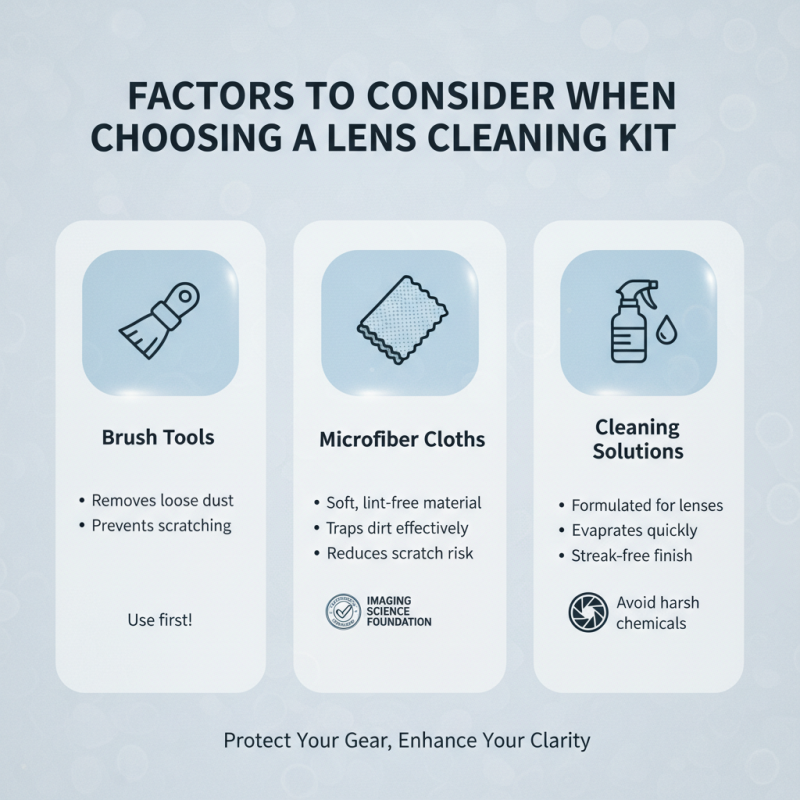
When choosing a lens cleaning kit, several important factors come into play. Professionals often recommend kits that include microfiber cloths, brush tools, and cleaning solutions. According to the Imaging Science Foundation, using microfiber reduces the risk of scratching surfaces. Regular cloths may not effectively trap dirt and debris, leading to potential damage.
Another consideration is the cleaning solution's composition. Opt for solutions that are alcohol-free and ammonia-free. These often offer a safer alternative for delicate lenses. A study by the Optical Society shows that improper cleaning solutions can cause long-term damage. Moreover, the size and portability of the kit matter. A compact kit can be easily carried, ensuring you're prepared for any situation.
Additionally, user reviews provide invaluable insight. Look for kits that have a history of durability and effectiveness. The online community frequently shares experiences, which can highlight both pros and cons. However, keep in mind that personal preferences vary greatly. What works for one might not work for another. Balancing effectiveness and safety is crucial when selecting your lens cleaning kit.
Types of Lens Cleaning Solutions and Tools
When it comes to lens cleaning, the right tools make a difference. There are various types of cleaning solutions and tools available. Common cleaning solutioons include microfiber cloths, lens cleaning sprays, and pre-moistened wipes. Microfiber cloths effectively capture dust and smudges without scratching the lens. They are gentle and reusable, making them eco-friendly.
When choosing a cleaning solution, consider what type of lens you have. Some coatings require special care. Avoid harsh chemicals that could damage the lens surface. Instead, opt for alcohol-free solutions that are safe to use.
**Tips:** Always do a spot test on a small area first. This way, you ensure the solution doesn’t harm the lens. Make sure to store your cleaning tools in a dry place. A clean, dry bag helps maintain their effectiveness. Regular cleaning extends your lens life, but over-cleaning can lead to wear. Be mindful about how often you clean.
Best Practices for Using a Lens Cleaning Kit Effectively
Maintaining your lenses can greatly enhance your viewing experience. A lens cleaning kit is essential for this purpose. However, using it correctly requires knowledge and attention to detail. Start by ensuring your hands are clean and dry before handling your lenses. This simple step prevents oils or dirt from transferring onto the glass.
When using a microfiber cloth, apply gentle pressure. Avoid scrubbing too hard, as this can scratch the surface. Instead, use circular motions to lift dust and smudges. Keep your cleaning solution at a safe distance. Spray it onto the cloth, not directly onto the lens, to prevent liquid from seeping into areas that may cause damage.
Try to clean your lenses in a controlled environment. Dust and debris can accumulate quickly in outdoor settings, leading to ineffective cleaning. If your lenses need extra care, repeat the process rather than forcing it. This discipline will yield better results but requires patience. Take a moment to assess the lens after cleaning. If it isn’t perfectly clear, consider if new techniques or tools are necessary. Acknowledging room for improvement is part of mastering lens care.
What is a Lens Cleaning Kit and How to Choose the Best One?
| Item |
Description |
Best Practices |
| Microfiber Cloth |
Soft fabric that removes dust and smudges without scratching lenses. |
Use in circular motions to gently wipe the lens. |
| Lens Cleaning Solution |
Specially formulated liquid to clean lenses safely. |
Apply to cloth, not directly to the lens. |
| Air Blower |
Device used to blow dust off lenses. |
Keep a safe distance to avoid moisture. |
| Lens Brush |
Brush to remove larger dust particles. |
Use soft strokes to avoid scratching. |
| Pouch or Case |
Protective storage for the cleaning kit. |
Keep the kit in a clean, dry place. |