Choosing Rectangle Sun Glasses for wholesale requires more than following seasonal color charts. Buyers must connect face shape, fit, quality, and realistic sales demand. The Vision Council’s 2024 Consumer inSights research reports that roughly 80% of American adults wear sunglasses. This indicates broad demand, but it does not guarantee every rectangular style will sell. A frame can look impressive in a catalog and remain untouched on a retail shelf.
Market evidence also supports careful selection. Grand View Research estimated the global sunglasses market at approximately USD 20.8 billion in 2023. Its report projects continued growth through 2030, supported by fashion adoption and UV-protection awareness. However, published market estimates differ because researchers define product categories differently. Buyers should treat forecasts as guidance, not certainty. That small distinction matters when committing to hundreds of units.
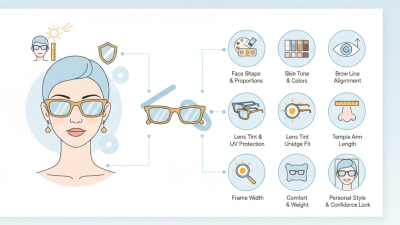
A practical wholesale review should examine bridge width, temple length, lens height, and hinge strength. For example, a 55-millimeter lens may suit broader faces but overwhelm smaller customers. Ask suppliers for measured samples, material specifications, UV400 test documentation, and clear defect policies. Check how acetate feels against the nose. Inspect whether the hinges open smoothly after repeated use. Also compare black, tortoiseshell, transparent, and muted seasonal colors across several price tiers.
Not every popular frame deserves a purchase order. A balanced assortment may include classic rectangles, softer corners, and lightweight options. Still, this approach can miss local preferences. Test a smaller batch first, record sell-through, and revise the next order. Reliable decisions come from verified specifications, customer feedback, and honest review of what failed.
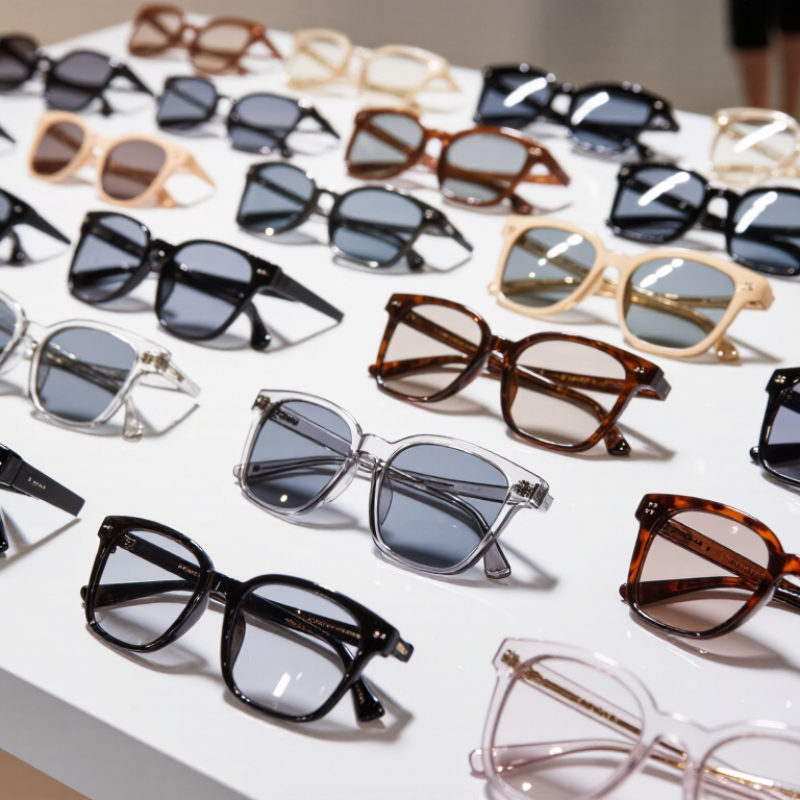
Rectangle sunglasses are not one single shape. For wholesale buyers, the main types include classic, soft-cornered, narrow, oversized, and geometric rectangles.
Classic rectangles use straight top and bottom lines, creating a clean commercial look. Soft-cornered styles reduce the severe feel and suit customers who prefer gentler lines. Narrow frames feel sharper, while oversized frames provide stronger coverage and visual impact. Geometric versions add angled corners, but they may match fewer face shapes. That is a real trade-off.
Key features include lens width, bridge size, temple length, frame thickness, and corner construction. A wider bridge can improve comfort for broader noses, while adjustable nose pads may help with fit variation.
Acetate-like materials often provide a polished appearance and richer color depth. Lightweight plastic or metal can reduce pressure during extended wear. Buyers should also inspect hinge movement, lens alignment, edge finishing, and surface consistency. Small defects become expensive when multiplied across a large order.
Color selection deserves practical testing. Black, tortoiseshell, brown, and transparent tones usually support wider retail placement. Bright colors can attract attention, yet they may slow repeat sales.
I have seen attractive samples fail because the temples felt too tight. Do not judge only from front photographs. Request measurements, physical samples, and wear tests before confirming quantities.
A frame may look balanced on a display head but sit differently on real customers. Forecasts are useful, but they are never perfect.

How to Choose Rectangle Sunglasses for Wholesale Buyers?
Match Frame Shapes with Different Face Profiles
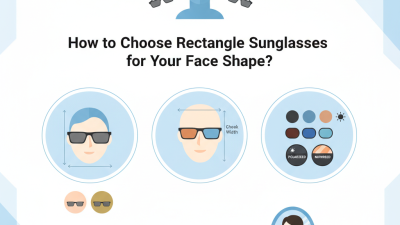
Rectangle sunglasses create clean lines, making them useful for buyers serving varied customer groups. In my fitting experience, oval faces usually suit most rectangular frames. Their balanced proportions handle sharper corners without looking severe. Round faces benefit from wider, angular rectangles because straight edges add visual structure. However, oversized lenses can overwhelm smaller features.
Square faces need careful selection. Softer rectangular frames, slim rims, or slightly curved corners can reduce a heavy appearance. For long faces, choose deeper lenses and a taller frame front. This helps improve vertical balance. Heart-shaped faces often suit medium-width rectangles with lighter lower rims. Check the bridge carefully. A frame that sits too high may shorten the forehead visually.
Tips: Ask suppliers for varied sample sizes before placing a large order. Measure lens width, bridge width, and temple length separately. Display frames beside simple face-shape cards in your showroom. I once focused too much on shape and ignored temple pressure. That was a mistake. Comfort strongly affects repeat sales. Fit matters more. Also, face profiles are guides, not fixed categories. Lighting, hairstyle, and personal style can change the result. Encourage staff to test several sizes, not just one “safe” rectangle.
Wholesale buyers should evaluate lens material before comparing price. Polycarbonate lenses are lightweight and impact-resistant, making them practical for active customers. CR-39 lenses often provide clear vision and a lighter feel than glass. Glass can offer excellent optical clarity, but it adds weight and may break more easily.
UV protection must be verified, not assumed from dark tint. Dark lenses without proper ultraviolet filtering can feel comfortable while offering inadequate protection. Request test reports showing UVA and UVB performance. “UV400” should be supported by reliable documentation. Ask whether protection applies to every lens color and production batch. Claims need evidence.
Optical quality matters just as much as appearance. Inspect samples under straight lines, window frames, or printed text. Distortion may appear near the lens edges. Check lens alignment, consistent thickness, smooth coatings, and accurate frame fitting. A strong rectangle frame should sit evenly without forcing the lenses. I have found that sample inspection reveals problems hidden in product photos. Still, one sample cannot represent every shipment. Batch checks are wiser. A low unit price can be misleading when returns, complaints, and inconsistent lenses reduce profit. Slight imperfections in testing plans deserve attention before placing a large order.
How to Choose Rectangle Sunglasses for Wholesale Buyers?
Wholesale buyers should begin with a complete specification sheet. Record lens width, bridge width, temple length, and frame-front height. A practical sample might measure 54 mm, 18 mm, and 140 mm. These numbers affect comfort and display consistency. Check hinge movement, lens alignment, frame weight, and surface finishing by hand. Small measurement differences can become obvious across several hundred pieces. Request UV transmission test results and material documents from reliable suppliers. Also confirm the testing scope for your target market.
Sizing should match the customer profile, not only current fashion photos. Compare the frame with several face shapes during sample fitting. Rectangle styles can look sharp, but narrow bridges may feel uncomfortable. Ask for production tolerances in writing. A tolerance of about 0.5 mm may be acceptable for some parts, but not every component. This detail deserves a second review. Digital drawings often hide real fitting problems.
Customization can include frame colors, lens tints, logo placement, packaging, and cleaning cloths. Confirm the minimum order quantity, setup fees, artwork format, and sample approval process. Ask whether color matching uses a physical reference or only a screen image. Screen colors can mislead. Request a pre-production sample before approving bulk manufacturing. Keep approved samples, signed specifications, and inspection photos for future comparison. A low price may look attractive initially, yet inconsistent hinges or packaging can increase total costs.
| Specification Category | Recommended Wholesale Standard | What Buyers Should Check | Customization Options | Wholesale Relevance |
|---|---|---|---|---|
| Frame Shape | Rectangular or softly rectangular front with balanced horizontal proportions | Confirm that the corners are symmetrical and that the frame does not twist when placed on a flat surface | Sharp or rounded corners, narrow or wide rectangular proportions | Rectangular silhouettes are easy to merchandise and can suit several face-shape categories |
| Frame Width | Approximately 135–150 mm for many adult styles | Compare the total front width with the target customer’s average face width | Custom front width, bridge width, and temple length | Offering multiple widths can reduce fit-related returns |
| Lens Width | Approximately 48–58 mm per lens for adult rectangular sunglasses | Check whether the lens size is printed on the temple or shown in the technical drawing | Small, medium, and oversized lens proportions | Lens width helps buyers organize products by size and visual coverage |
| Bridge Width | Approximately 16–22 mm for many adult frames | Assess nose fit, bridge balance, and whether the frame slides during wear | Different bridge widths, keyhole bridge, saddle bridge, or adjustable nose pads | A suitable bridge improves comfort and supports more accurate size selection |
| Temple Length | Approximately 135–145 mm for many adult sunglasses | Ensure the temples reach comfortably behind the ears without excessive pressure | Custom temple length, end-tip shape, texture, and printed markings | Correct temple length improves wearability across different head sizes |
| Frame Material | Common options include acetate, injected plastic, TR90-type thermoplastic, and metal | Review material composition, flexibility, surface finish, hinge area, and test documentation | Material color, finish, translucency, marbling, and mixed-material construction | Material selection affects product positioning, weight, durability, and target price |
| Lens Material | Common options include polycarbonate, CR-39, and glass | Check optical clarity, scratch resistance, impact performance, thickness, and weight | Lens color, gradient, mirror coating, flash coating, and prescription-ready options | Lens material influences safety characteristics, perceived quality, and shipping weight |
| UV Protection | UV400 or equivalent protection covering UVA and UVB wavelengths up to 400 nm | Request independent test reports and verify the applicable market requirements | Different lens tints and coatings while retaining the required UV protection | UV performance is a key selling point and should be supported by documentation |
| Lens Category | Category 2 or Category 3 for general fashion and outdoor use, depending on market requirements | Confirm the visible light transmission classification shown on product documentation | Fashion tint, polarized lens, gradient lens, or specialized outdoor lens | Lens category helps buyers match products with intended use and regional labeling rules |
| Polarization | Optional polarized lenses for reducing reflected glare from roads, water, and other surfaces | Check polarization consistency, optical quality, and verification test results | Polarized lens colors, mirror effects, and branded or private-label packaging | Polarization can support a higher-value outdoor assortment |
| Hinge Construction | Standard barrel hinge or spring hinge, depending on the product position | Inspect opening and closing resistance, screw security, alignment, and repeated-use performance | Hinge color, concealed hinge, reinforced hinge, or spring-hinge construction | Hinge quality affects perceived durability and after-sales performance |
| Nose Pads | Integrated bridge or separate adjustable nose pads | Check pad comfort, alignment, attachment strength, and suitability for different nose profiles | Silicone pads, transparent pads, metal pads, or adjustable nose-pad arms | Nose-pad choices allow buyers to target different fit preferences |
| Surface Finish | Gloss, matte, transparent, translucent, brushed, or polished finish | Look for consistent color, smooth edges, clean polishing, and resistance to visible surface defects | Custom color matching, two-tone finishes, gradient effects, and textured surfaces | Finish creates visual differentiation without changing the basic frame shape |
| Color Assortment | Core black, tortoiseshell, brown, clear, and neutral colors plus seasonal shades | Ask for color samples or approved digital references before bulk production | Custom color codes, translucent colors, marble effects, and coordinated lens colors | A balanced assortment supports both evergreen sales and seasonal merchandising |
| Size Marking | Three-number format such as 52□19–140, representing lens width, bridge width, and temple length in millimeters | Confirm that markings match the approved technical specifications | Printed, laser-etched, or molded size information on the temple | Clear size markings simplify inventory control and customer fit guidance |
| Packaging | Protective individual packaging with cleaning cloth and product information | Check protection during transport, packaging dimensions, carton quantity, and recyclability | Custom case, pouch, cloth, hangtag, insert card, barcode label, and carton design | Packaging affects presentation, warehouse handling, and shipping efficiency |
| Private Labeling | Logo or wording applied only after approval of artwork and placement | Confirm print durability, logo size, color accuracy, and trademark authorization | Temple logo, lens mark, case logo, hangtag, packaging, and care-card customization | Private labeling helps buyers build a consistent product identity |
| Quality Inspection | Pre-shipment inspection covering appearance, dimensions, alignment, lenses, hinges, and packaging | Define acceptable defect limits, sampling method, inspection timing, and corrective-action process | Custom inspection checklist and pre-production approval sample | Written quality criteria reduce disputes and improve batch consistency |
| Compliance Documentation | Market-appropriate test reports, material declarations, labeling information, and product records | Verify requirements for the destination country or sales channel before placing the order | Custom labels, language versions, certificates, warnings, and traceability information | Documentation supports legal distribution and reduces import or listing risks |
| Sampling Process | Approved sample or pre-production sample before bulk manufacturing | Compare color, dimensions, logo placement, lens performance, packaging, and workmanship | Sample revisions, mixed-color sampling, and fit testing on selected users | Sampling helps identify specification errors before they affect the full order |
How to Choose Rectangle Sunglasses for Wholesale Buyers?
A dependable supplier should explain materials, lens options, production capacity, and delivery timing clearly. Ask for recent samples before discussing large quantities. Check frame alignment, hinge movement, lens clarity, and surface finishing under strong light. I have seen attractive samples hide weak hinges in bulk production. Ask for evidence. A supplier should also provide clear inspection records, packaging details, and replacement procedures for defective units.
Compare the full landed cost, not only the unit price. Include sampling fees, tooling, packaging, freight, and possible rework. A very low quote may signal thinner materials or limited inspection. Request a tiered price for several order quantities. Then compare the quality difference at each level. Do not guess. Ask whether the quoted price remains valid after design changes or color adjustments.
Order terms deserve equal attention. Confirm the minimum order quantity, deposit schedule, production timeline, and balance-payment conditions in writing. Set measurable acceptance standards, such as hinge movement, logo placement, lens scratches, and color tolerance. Independent pre-shipment inspection can reduce unpleasant surprises. Still, no inspection catches every issue. I once accepted a batch after checking appearance, but missed uneven case printing. That mistake changed my checklist. Allow time for corrections, replacement stock, and realistic shipping delays. Clear communication often matters more than a polished sales presentation.