Leave Your Message

7 Best Lens Cleaning Kits for Global Buyers?

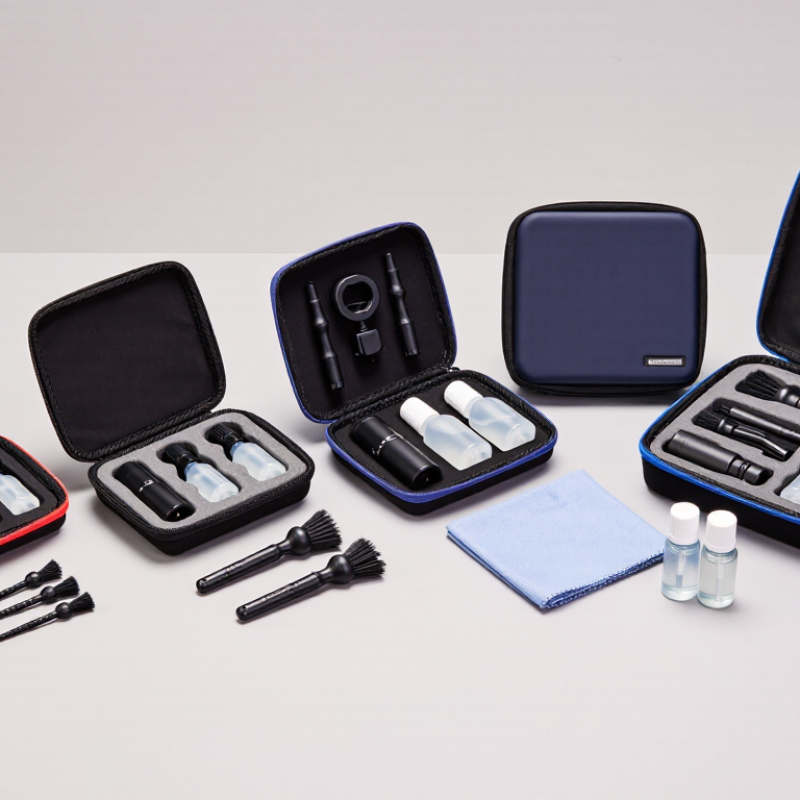
Choosing a Lens Cleaning kit sounds simple until you compare a soft brush, microfiber cloth, cleaning solution, and compact case. Buyers in different regions may also face different product labels, shipping options, and availability. A kit that works well in a camera bag may feel oversized for travel. Small details matter.

This guide introduces seven lens cleaning kits for global buyers, with attention to practical features rather than bold packaging claims. It considers cloth softness, brush design, solution packaging, portability, and how clearly the contents are described. These details can help photographers, travelers, and everyday camera users compare products more confidently. No kit is perfect. A large bundle may include tools you rarely use, while a minimal set might leave out a useful air blower. Product availability and included components can also change, so check the seller’s current listing before ordering.

Careful cleaning matters. Dust trapped under a cloth can leave fine marks, and excess liquid may create streaks or reach areas that should stay dry. The kits featured here are assessed as general-purpose options, not as a substitute for following your camera or lens maker’s care instructions. Readers should inspect materials, verify the stated contents, and choose tools suited to their equipment. It is easy to assume that a higher price means better cleaning; that is not always true. The right choice depends on what you carry, how often you clean, and whether the kit is genuinely easy to use.
7 Best Lens Cleaning Kits for Global Buyers?

What Makes a Lens Cleaning Kit Effective for Global Buyers

7 Best Lens Cleaning Kits for Global Buyers?

What Makes a Lens Cleaning Kit Effective for Global Buyers

A useful lens cleaning kit should work across different camera types and travel conditions. Look for a soft, washable microfiber cloth, a hand-operated air blower, and a brush with protected bristles. These tools help lift dust before wiping, reducing the chance of dragging grit across glass. Cleaning fluid should be clearly labeled for optical surfaces, and users should follow the lens maker’s care guidance. Packaging matters, too. A compact, sealed case keeps cloths cleaner in a backpack or humid environment. Simple instructions help buyers avoid misuse, especially when product labels use unfamiliar terms.

Tips: Check that the kit lists its contents and care instructions. Keep the cloth in its pouch, and use the blower before wiping. Small steps matter.

For global buyers, clear product details are as important as the tools themselves. Confirm dimensions, included quantities, and whether cloths can be washed. Avoid assuming that every cleaning solution suits every coating. A kit with replaceable cloths may be more practical for frequent travel, while a larger set can add weight without adding much value. There is no perfect kit for everyone; comparing real contents with your camera needs takes a little patience.

Seven Leading Lens Cleaning Kits and Their Key Features

Seven Leading Lens Cleaning Kits and Their Key Features

Global buyers should compare kit contents, not just case size. A compact microfiber kit suits daily fingerprints and dust on camera lenses. An air-blower kit moves loose particles without touching the glass. A soft-brush kit helps clear grit from lens edges, but the brush must stay clean. A travel pen combines a brush with a carbon cleaning tip for small smudges. A spray-and-cloth kit offers more control over oily marks, provided the fluid is approved for optical coatings. A sensor-cleaning kit includes correctly sized swabs for compatible camera sensors. A field kit bundles several tools in a protective case, though extra items may go unused.

Each option serves a different routine. Travelers may value sealed, lightweight packaging, while studio users may prefer separate tools for lenses and sensors. Check cloth stitching, fluid bottle seals, swab sizing, and replacement availability before buying. Product descriptions can sound reassuring, but unclear materials or vague instructions are worth questioning. No kit is perfect.

Tips: Blow away grit before wiping; trapped particles can scratch a coating. Use light pressure and a clean cloth. Never use a sensor swab on a lens, or the reverse, unless its instructions permit it. A rushed wipe sometimes leaves a faint streak, so inspect the glass under angled light.

Comparing Kit Types for Cameras, Eyeglasses, and Optical Devices

The best lens cleaning kit depends on what you clean. Camera lenses need a soft blower, a cleanable microfiber cloth, and a small amount of suitable optical fluid. These tools help remove loose grit before wiping, reducing the chance of dragging particles across a coating. CIPA’s 2023 camera shipment data recorded about 7.73 million digital cameras worldwide, a reminder that careful lens care serves a large, varied user base. Keep the kit compact. A bulky pouch may stay at home when a dusty trail or busy event calls for quick cleaning.

Eyeglass kits prioritize convenience: a pocket cloth and gentle spray suit fingerprints on lenses worn all day. For binoculars, microscopes, and other optical devices, choose a kit with a blower and lens-safe swabs for narrow edges. Check that fluids are labeled for coated optics; household cleaners can leave residue or damage surfaces. The Vision Council’s 2023 Market inSights report estimated U.S. consumer spending on eyewear at $68.2 billion, underscoring how widely people depend on clear lenses. Still, a larger kit is not automatically better. I have found that cloths collect grit easily, and cleaning too often can be counterproductive. A little restraint helps.

How to Choose the Right Lens Cleaning Kit for Different Needs

Choosing a lens cleaning kit starts with the equipment you carry and the places you photograph. For a compact camera or travel setup, a soft brush, a blower, and a few lint-free cloths usually cover routine dust. Outdoor photographers may want a sealed case that keeps cloths clean in a camera bag. For glasses or coated lenses, check that any cleaning fluid is explicitly suitable for coated optical surfaces. More tools do not always mean better care.

Look closely at the kit’s materials. A brush should feel soft, with bristles that do not shed; cloths should be washable or replaceable. A blower helps lift grit before wiping, which reduces the chance of dragging particles across glass. Avoid canned air or rough tissues.

Small detail, big difference.

Keep one clean cloth separate from used ones, especially after shooting near sand or sea spray. I have found that kits often include more fluid than I need, and it can dry out if stored poorly. That is worth checking before buying. Consider refill availability, packaging, and whether the kit fits your usual bag. If you clean sensors, choose tools made specifically for that task; ordinary lens cloths are not a substitute. Test cleaning fluid on a small area only when its instructions permit it. For frequent travel, simple and well-protected tools are often more useful than a crowded case.

Safe Cleaning Methods and International Buying Considerations

A reliable lens cleaning routine starts with loose dust, not liquid. Use a hand blower first, then inspect the glass under soft light. Dust comes first. If grit remains, a clean, soft brush can help lift it without dragging particles across the surface. Apply a small amount of lens-safe fluid to a microfiber cloth, never directly onto the lens. Wipe gently from the center outward. A little pressure can leave marks, and household sprays may harm coatings. I still find it tempting to rush when a smudge appears, but that is when careful handling matters most.

For international purchases, check what the kit actually contains. Liquids may face shipping restrictions, while dry cloths and air blowers are usually simpler to transport. Confirm the seller’s delivery area, estimated arrival time, return terms, and whether instructions are clear in a language you can use. Packaging photos can be helpful, but they do not prove the materials are suitable for coated optics. Ask about cloth composition and fluid ingredients if details are missing. Availability and import costs can vary by destination, so verify them before paying.

Tips: Keep cloths sealed between uses. Avoid wiping a visibly gritty lens. Test unfamiliar fluid on a less critical surface, and stop if you notice residue or streaking.

7 Best Lens Cleaning Kits for Global Buyers? — Safe Cleaning Methods and International Buying Considerations
Kit Type Typical Contents Best For Safe Cleaning Method International Buying Considerations Important Limitations
1. Basic Dry-Cleaning Kit Manual air blower, soft lens brush, and clean microfiber cloth. Routine removal of loose dust from camera lenses, binoculars, and eyeglasses. Use the blower first to lift loose particles. If needed, brush lightly, then wipe with a clean cloth using gentle strokes. Check that the blower is hand-operated and that the cloth is packed in a clean, resealable pouch. No cleaning liquid is included, which can simplify travel. Dry cleaning may not remove fingerprints, oil, or dried residue. Do not wipe grit across a lens.
2. Travel-Ready Optical Kit Compact manual blower, small soft brush, microfiber cloth, and a protective storage case. Travelers who need a light, simple kit for occasional lens maintenance. Work in a sheltered, clean area. Blow away loose dust before using the brush or cloth; store clean tools separately from dusty accessories. Check the packed dimensions and whether the case protects the cloth from dust. If adding liquid separately, confirm current airline and airport rules for every leg of the trip. A compact kit may have fewer replacement cloths or no cleaning fluid. Avoid canned or pressurized air near optical surfaces.
3. Kit with Optical Cleaning Fluid Manual blower, microfiber cloths, and a liquid specifically labeled for compatible optical surfaces. Removing fingerprints or oily marks from compatible coated lenses. Blow away grit first. Put a small amount of fluid on the cloth, not directly on the lens, then wipe gently and dry with a clean section of cloth. Review the liquid’s ingredients, container size, leakage protection, and shipping restrictions. Liquid and aerosol rules vary by carrier, airport, and destination. Do not assume one fluid is suitable for every coating, screen, or optical material. Follow the lens maker’s care instructions.
4. Field Kit with Individually Wrapped Wipes Sealed optical wipes and a small microfiber cloth, sometimes with a manual blower. Outdoor use when access to a clean cloth or cleaning station is limited. Remove loose particles with a blower first. Use a wipe only if its label confirms compatibility, and follow its directions without applying pressure. Check the number of wipes, package seals, and whether the product can be shipped to the destination. Dispose of used wipes according to local waste guidance. Wipes are single-use and can dry out if packaging is damaged. Do not use ordinary wet wipes or household cleaning wipes on lens coatings.
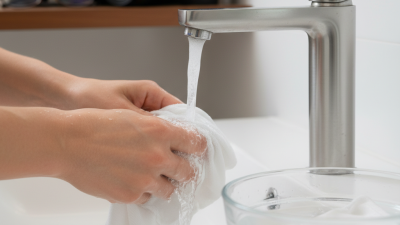
5. Reusable Cloth Kit Several lint-free microfiber cloths in individual protective sleeves or a washable storage pouch. People who prefer reusable supplies for spectacles and compatible optical surfaces. Use a clean cloth only after loose dust has been removed. Wash reusable cloths as directed, without fabric softener, and let them dry fully before storage. Check laundering instructions and fabric details. A protective sleeve helps keep a cloth clean during international travel and between uses. A cloth can retain grit, skin oils, or detergent residue. Replace or wash it when soiled; do not use it on a dusty lens.
6. Binocular and Telescope Care Kit Manual blower, soft brush, microfiber cloth, and optical-safe cleaning fluid where appropriate. Binocular and telescope exterior lenses that the manufacturer permits users to clean. Keep the instrument stable and follow its care guide. Remove loose dust first, then use minimal pressure and only compatible materials. Verify fluid compatibility with the instrument’s coatings and confirm that the kit can be transported or shipped to the intended country. Do not dismantle optical equipment or try to clean internal elements. Seek qualified service for internal dust, fungus, or persistent marks.
7. Camera Lens and Sensor Care Set Lens-cleaning tools plus sensor swabs explicitly sized for a particular camera sensor format, if included. Photographers who need separate supplies for lens surfaces and camera sensors. Use ordinary lens tools only on compatible exterior lens surfaces. Clean a sensor only with the camera maker’s approved method and correctly sized, single-use swabs. Check sensor swab size, sealed packaging, instructions, and local availability of replacements. Confirm transport rules if the set includes liquid. Sensor cleaning is not the same as lens cleaning. Do not use lens cloths, brushes, or general-purpose fluid on a sensor unless the camera maker specifically permits it.

General care: Follow the optical equipment maker’s instructions, remove loose particles before wiping, and use only materials labeled as compatible with the surface. Airline and import rules can vary by route and destination, so check current requirements before traveling or ordering cleaning liquids internationally.